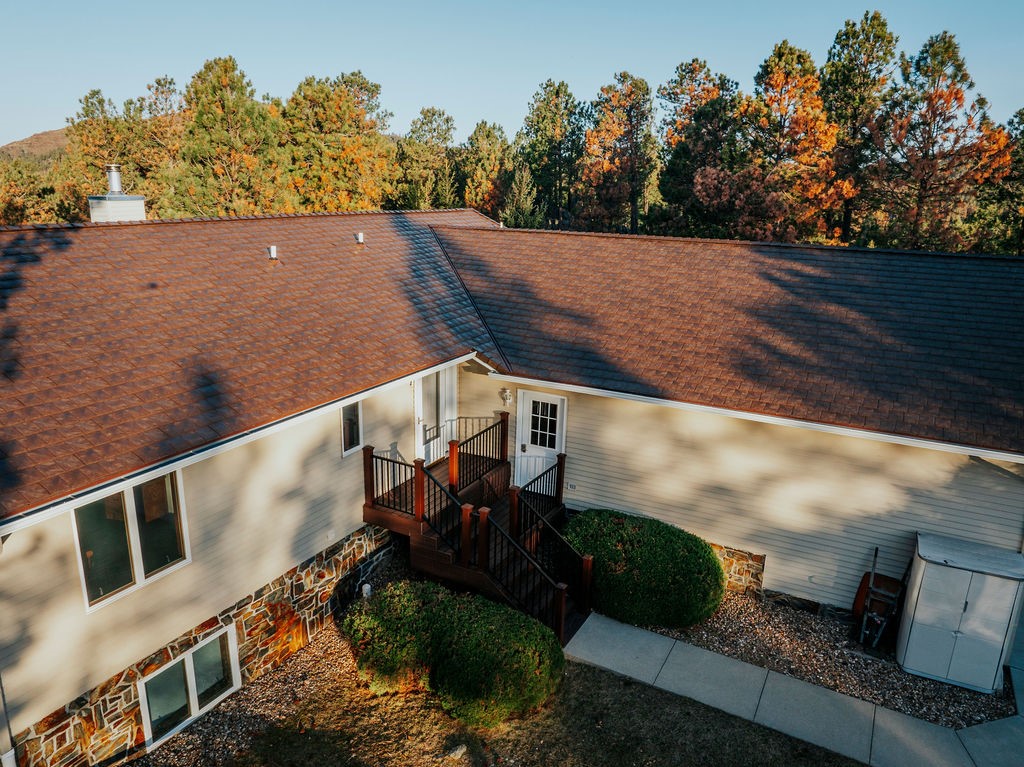
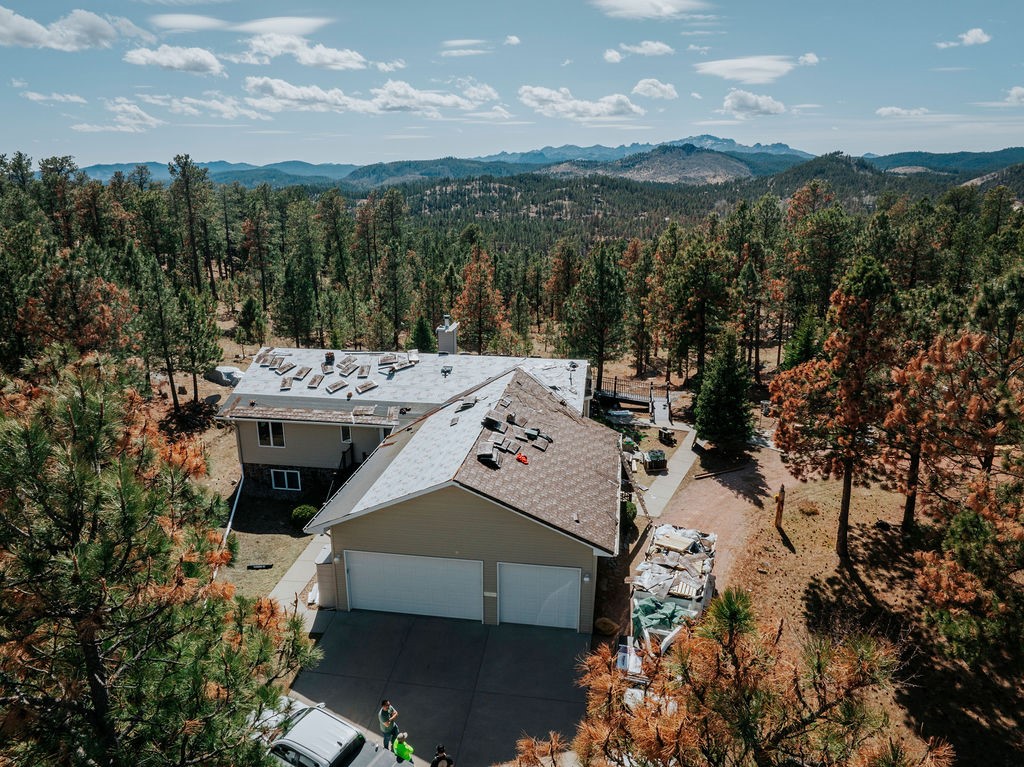
A roof replacement is one of the biggest investments you'll make in your home — and in the Black Hills, it's one that deserves serious thought about materials, not just price. At Built Right Roofing & Construction, we give every homeowner clear, honest numbers before they commit to anything. This page breaks down what a roof replacement actually costs in the Rapid City area, by size and by material, so you can plan with confidence.
Rapid City’s climate puts roofs through more stress than most markets. Summer hailstorms routinely drop 1.5″–2″ stones across Pennington County. Winters bring heavy snow loads, freeze-thaw cycles, and ice dam risk. Winds off the Black Hills are frequent and strong. The right material choice here isn’t just about aesthetics — it can determine whether your roof lasts 20 years or 50.
What Does a Roof Replacement Cost in Rapid City?
For most Rapid City-area homes, a full roof replacement runs between $12,000 and $30,000 for standard architectural shingles. Class 4 impact-resistant shingles, metal roofing, and hail-proof synthetic systems carry higher upfront costs but deliver significantly longer performance in South Dakota’s storm climate.
Here’s a general range by home size for a standard architectural shingle replacement:
| Home Size (sq ft) | Approx. Roof Squares | Estimated Replacement Cost |
|---|---|---|
| Up to 1,200 sq ft | 14 – 18 squares | $6,300 – $10,800 |
| 1,200 – 1,600 sq ft | 17 – 22 squares | $7,650 – $14,300 |
| 1,600 – 2,000 sq ft | 20 – 26 squares | $9,000 – $15,600 |
| 2,000 – 2,500 sq ft | 24 – 32 squares | $10,800 – $19,200 |
| 2,500 – 3,000 sq ft | 29 – 38 squares | $13,050 – $22,800 |
| 3,000+ sq ft | 35+ squares | $19,250+ |
Roof surface area is always larger than your home’s floor area due to pitch and overhang. One roofing “square” = 100 sq ft of roof surface. Ranges reflect standard architectural shingle replacements on average-pitch roofs with single-layer tear-off. Steeper pitches, multiple layers, or premium materials will fall above these ranges.
Rapid City Roof Replacement Cost by Material
Material choice is the biggest variable in your final cost — and in the Black Hills, it’s also the most consequential decision for long-term performance. The estimated lifespan is based on our real life experience in the Black Hills and factors in hail and wind storms. Here’s how the systems Built Right installs compare:
| Material | Cost Per Square (Installed) | Impact Rating | Est. Lifespan |
|---|---|---|---|
| GAF / Malarkey Class 3 Shingles | $450 – $550 | Class 3 (1.75″ hail) | 7 – 15 years |
| GAF / Malarkey Class 4 Shingles | $550 – $650 | Class 4 (2″ hail) | 10 – 20 years |
| Designer / Premium Shingles | $800 – $1,100 | Class 4 (most products) | 15 – 25 years |
| Metal Roofing (Pro-Rib / Exposed Fastener) | $900 – $1,500 | Class 4 | 30 – 50 years (with maintenance of screws) |
| Standing Seam Metal (24-gauge) | $1,500 – $2,500 | Class 4 | 40 – 50 years |
| Stone Coated Steel (TEK Industries or Decra) | $1,200 – $2,200 | Class 4 / Class A Fire | 40 - 50 years |
| Euroshield Synthetic (Recycled Rubber) | $1,200 – $1,800 | Class 4 / Class C Fire | 50 years |
Costs per square include materials and labor. Final project cost depends on total squares, pitch, tear-off layers, and decking condition. Metal and synthetic costs reflect installed pricing for residential projects in the Rapid City area.
Why Built Right recommends Class 4 impact-resistant shingles for most Rapid City homes: Pennington County averages multiple significant hail events every year. Class 4 shingles are tested to withstand a 2″ steel ball impact — the toughest rating available for asphalt shingles. Beyond the protection, many South Dakota homeowners insurance carriers offer a 20% or more premium discount for Class 4 roofs, which can significantly offset the upgrade cost over time.
What Affects Your Roof Replacement Cost in the Black Hills?
Two homes on the same street can generate estimates that differ by $4,000 or more. Here are the factors that explain most of that gap:
Roof Size & Pitch
Roofing is priced by the square (100 sq ft of roof surface), not by your home’s floor area. A steeper pitch means more surface area and slower, more safety-intensive installation. Pitches above 6/12 typically add $100–$200 per square to labor cost. Many Black Hills homes have steeper pitches specifically designed to shed snow — a feature worth accounting for in your budget.
Material Selection
As the table above shows, upgrading from standard Class 3 to Class 4 shingles adds roughly $150–$200 per square. On a 25-square roof, that’s $3,750–$5,000 more upfront — but a Class 4 roof may pay for the difference through insurance savings within a few years, depending on your carrier and policy.
Number of Shingle Layers (Tear-Off)
If your home has two or more existing layers of shingles, all must be removed before new installation. Multi-layer tear-off adds significant disposal weight and labor — typically $50–$150 per square above a standard single-layer tear-off. Many older Rapid City homes have a second layer added over the original; this is one of the first things we check during an inspection.
Decking Condition
Once the old roof comes off, we inspect the plywood or OSB decking underneath. South Dakota’s extreme temperature swings and ice dam potential mean edge and valley decking is particularly prone to deterioration. Damaged sheets are replaced before installation at a per-sheet rate — this is always a separate line item because it genuinely can’t be assessed until tear-off is complete.
Ventilation
Proper attic ventilation is critical in South Dakota’s climate. Inadequate ventilation leads to ice dams in winter and accelerated shingle degradation in summer. It’s also a requirement for most manufacturer warranties. If your ventilation is undersized, addressing it during the replacement is far more cost-effective than retrofitting later.
Gauge & Type for Metal Roofing
For metal roofing, material thickness (gauge) matters significantly in hail country. A 29-gauge metal panel will dent in a serious hail event; 26-gauge holds up better; 24-gauge standing seam is the most hail-resilient option and eliminates exposed fasteners, which are a common long-term leak point on thinner pro-rib systems. The upgrade from 29-gauge to 24-gauge adds cost but meaningfully changes the roof’s performance and longevity.
Will Insurance Cover My Roof Replacement?
In many cases, yes: especially in the Black Hills. South Dakota homeowners file more hail and wind claims per capita than most of the country, and Rapid City is frequently in the path of severe summer storm systems. If your roof was damaged by a qualifying hail or wind event, your homeowner’s insurance may cover the full replacement cost minus your deductible.
What most homeowners don’t know: insurance adjusters don’t always catch every item. At Built Right, we’ve helped many Rapid City homeowners recover full replacement value by identifying damage that adjusters initially missed — including impacts on pipe boots, ridge caps, gutters, and siding. A thorough inspection before you file — or before you accept an adjuster’s estimate — can make a significant difference in your outcome.
Learn more about storm damage and the claims process →
Roof Replacement Cost Across the Black Hills Region
Home sizes, roof complexity, and local conditions vary across Built Right’s service area. Here’s a general look at typical project ranges for a standard architectural shingle replacement:
| Location | Typical Replacement Cost | Notes |
|---|---|---|
| Rapid City, SD | $12,000 – $26,000 | High hail frequency; Class 4 strongly recommended |
| Box Elder, SD | $11,000 – $22,000 | Predominantly ranch-style homes |
| Spearfish, SD | $12,000 – $24,000 | Growing market; mix of new and older homes |
| Sturgis, SD | $11,000 – $22,000 | — |
| Deadwood, SD | $13,000 – $26,000 | Older homes, steeper pitches common |
| Custer, SD | $11,000 – $22,000 | — |
| Hot Springs, SD | $10,000 – $20,000 | Smaller average home footprint |
| Pierre, SD | $11,000 – $23,000 | — |
| Gillette, WY | $12,000 – $25,000 | Wide range of home sizes and styles |
Ranges reflect standard architectural shingle replacements on average-sized single-family homes. Class 4, metal, or synthetic projects will fall above these ranges. Insurance-covered replacements may reduce out-of-pocket cost to deductible only.
What’s Included in a Built Right Roof Replacement?
Every Built Right Roofing project includes:
- Full tear-off and disposal of existing roofing materials
- Decking inspection and replacement of damaged boards
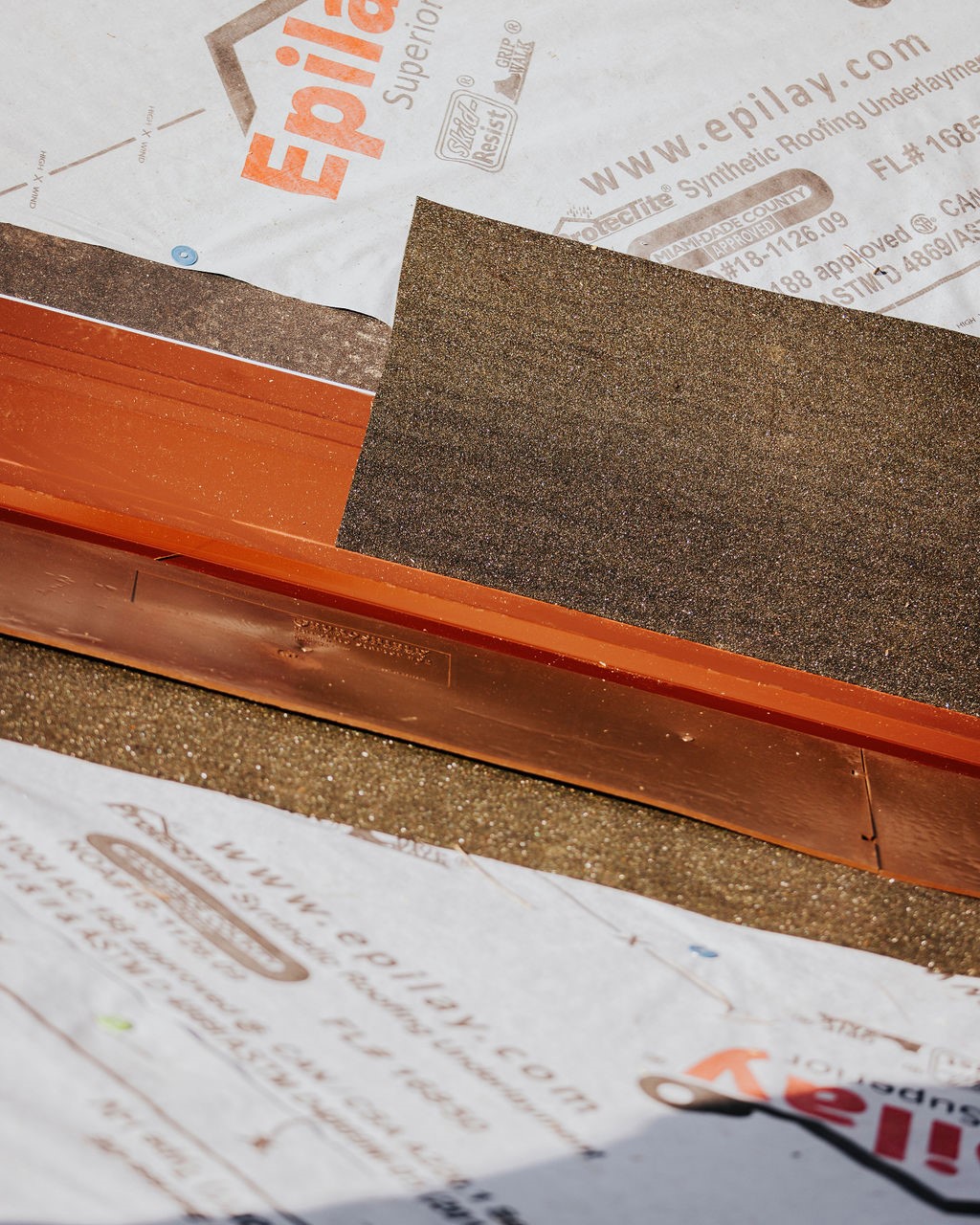
- Installation of new synthetic underlayment
- Ice and water barrier along all eaves and valleys
- Starter shingles on the eaves and rakes for enhanced wind resistance
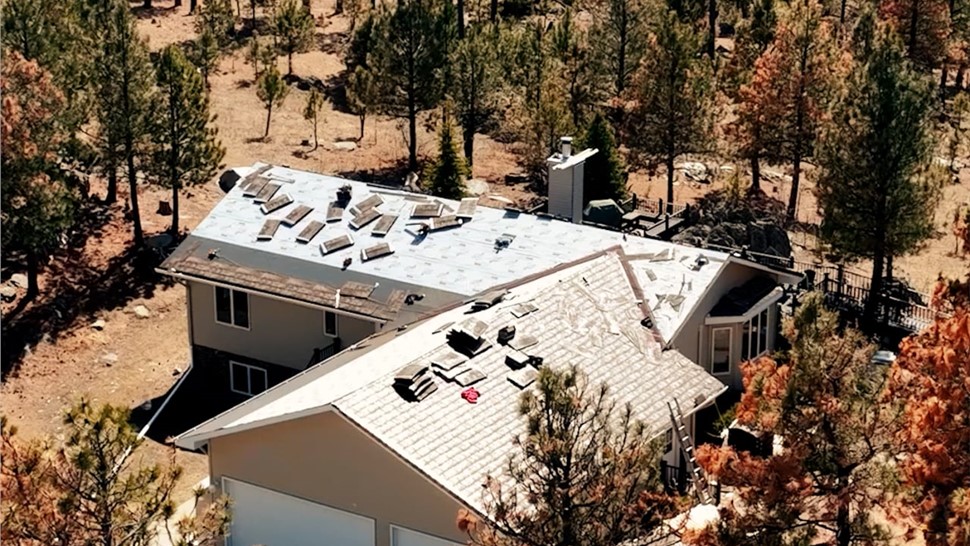
- GAF, Malarkey, metal, or selected system installation by certified crews
- New pipe boot flashings, drip edge, step flashing, and ridge cap
- Ventilation inspection and upgrade recommendations
- Project cleanup and magnet sweep for nails
- Manufacturer warranty registration
- Built Right or enhanced manufacturer backed workmanship warranty
Decking repairs are always called out as a separate line item because they can’t be fully assessed until tear-off is complete. You’ll know about them before we proceed — never as a surprise at the end.
Rapid City Roof Replacement FAQs
Is Class 4 really worth the extra cost in South Dakota?
For most Rapid City homeowners, yes. The upgrade from Class 3 to Class 4 typically adds $75–$100 per square to material cost, but Class 4 products can qualify you for a significant insurance premium discount — sometimes 20% or more — depending on your carrier. In a market where hail damage is a near-annual event, the insurance savings alone can offset the upgrade within a few years.
Does Rapid City require a permit for a roof replacement?
Yes. Rapid City requires a building permit for residential roof replacements. Permit costs typically run $150–$400 depending on project scope. Built Right handles permit applications as part of our standard process — you don’t have to manage that separately.
How long does a roof replacement take?
Most Rapid City-area roof replacements are completed in one to two days for a standard single-family home. Larger roofs, complex designs, or metal and synthetic systems may take an additional day. We confirm your project timeline at the estimate stage.
What’s the best roofing material for snow and ice in South Dakota?
Metal roofing — particularly 24-gauge standing seam — is the top performer in South Dakota winters. Metal sheds snow naturally, resists ice dam formation better than asphalt, and eliminates the freeze-thaw cycle deterioration that shortens shingle life. If you plan to stay in your home long-term, metal is worth the higher upfront investment. For homeowners who want shingles, Class 4 architectural products are the right choice for balancing performance and cost.
What are Stone Coated Steel and Euroshield, and are they worth it?
Stone Coated Steel is a Class 4, Class A fire-rated synthetic shingle made from steel. Euroshield is a Class 4 synthetic made from recycled rubber, available in wood shake and slate profiles. Both are engineered to be impact-proof in the most severe hail conditions — they’re designed to be the last roof you ever put on your home. They carry a higher upfront cost than asphalt, but for homeowners who want to eliminate hail damage risk entirely, they’re a compelling option. Learn more about our hail-proof roofing options.
Do you offer financing?
Yes. Qualified buyers may enjoy 12 months no interest, no payments — so you can get your project done now and pay later. Learn more about our financing offer.
Get an Honest Estimate from Rapid City’s Top-Rated Roofer
The only way to know your real cost is an in-person inspection. We walk your roof, measure every surface, assess the decking and ventilation, and give you a clear written estimate you can plan around — with no vague ranges and no surprises on day one of the job.
Voted the best roofing company in Rapid City two years in a row, Built Right serves homeowners across the Black Hills and beyond — from Box Elder and Spearfish to Deadwood, Custer, Pierre, and Gillette, WY.
Schedule Your Free Roof Inspection